
The evolution of gambling A journey through time and culture
The Origins of Gambling
The practice of gambling dates back thousands of years, with its roots found in ancient civilizations. Archaeological evidence suggests that as early as 3000 BC, the Chinese engaged in activities resembling modern gambling, using rudimentary games of chance involving dice. Similarly, ancient Greeks and Romans were known for their betting on sporting events and games, laying the groundwork for gambling practices that persist today. Today, you can explore a newly launched online casino that captures much of this ancient spirit.
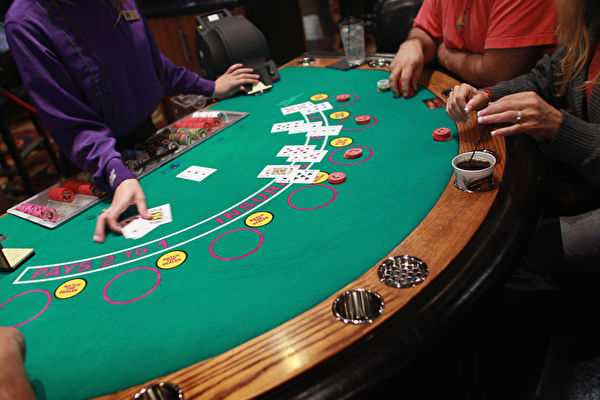
Cultural attitudes toward gambling varied widely. While some societies embraced it as a form of entertainment, others viewed it with suspicion and caution. In many cultures, gambling was intertwined with religious practices, often conducted during festivals or significant events, reflecting its dual nature as both a pastime and a potential source of moral concern.
The Rise of Gambling in the Middle Ages
As societies evolved, so too did gambling. The Middle Ages saw the emergence of new games and betting practices, with card games gaining popularity across Europe. The introduction of playing cards in the 14th century transformed the landscape of gambling, as these games became accessible to the masses and were often played in taverns and public spaces.
The period also witnessed the establishment of gambling houses and the first casinos. These establishments created structured environments for gambling, contributing to a more organized approach to betting. However, they were frequently met with resistance from religious institutions, which condemned gambling as sinful, leading to fluctuating regulations and prohibitions across different regions.
The Modern Gambling Era
The 18th and 19th centuries marked a significant turning point in the evolution of gambling, especially with the advent of legal frameworks and the establishment of lotteries. Governments began to recognize the potential revenue from regulated gambling, leading to the legalization of various forms of betting, including horse racing and casino games. This era saw the birth of iconic games, such as poker and blackjack, which would go on to define the modern gambling experience.
The Industrial Revolution further propelled gambling into the mainstream, with the proliferation of casinos and betting establishments in urban areas. The rise of the middle class, alongside advancements in technology, allowed for broader participation in gambling activities, making it an essential part of social life in many societies.
The Digital Transformation of Gambling
With the turn of the 21st century, the gambling landscape underwent a significant transformation due to technological advancements. The advent of the internet revolutionized access to gambling, leading to the emergence of online casinos and betting platforms. This shift not only expanded the reach of gambling but also introduced new dynamics, such as online poker rooms and virtual sports betting, which catered to a global audience.
The rapid growth of mobile technology further enhanced the gaming experience, allowing players to engage in gambling activities anytime and anywhere. However, this digital transition has also raised concerns regarding gambling addiction and the need for greater awareness and responsible gambling practices, as the accessibility of online gambling can exacerbate existing issues.

Promoting Responsible Gambling
As gambling continues to evolve, the importance of gambling addiction awareness has never been more critical. With the rapid expansion of online platforms, players are encouraged to engage in safe practices to ensure a healthy relationship with gambling. Many organizations have emerged, promoting responsible gambling initiatives that educate players on the risks involved and provide resources for those seeking help.
Raising awareness about gambling addiction is essential to fostering a culture of responsibility within the gaming community. By prioritizing education and support, players can enjoy the thrill of gambling while minimizing the potential for harmful behaviors. Engaging with reputable platforms that prioritize player welfare is crucial in creating a safer gambling environment.